
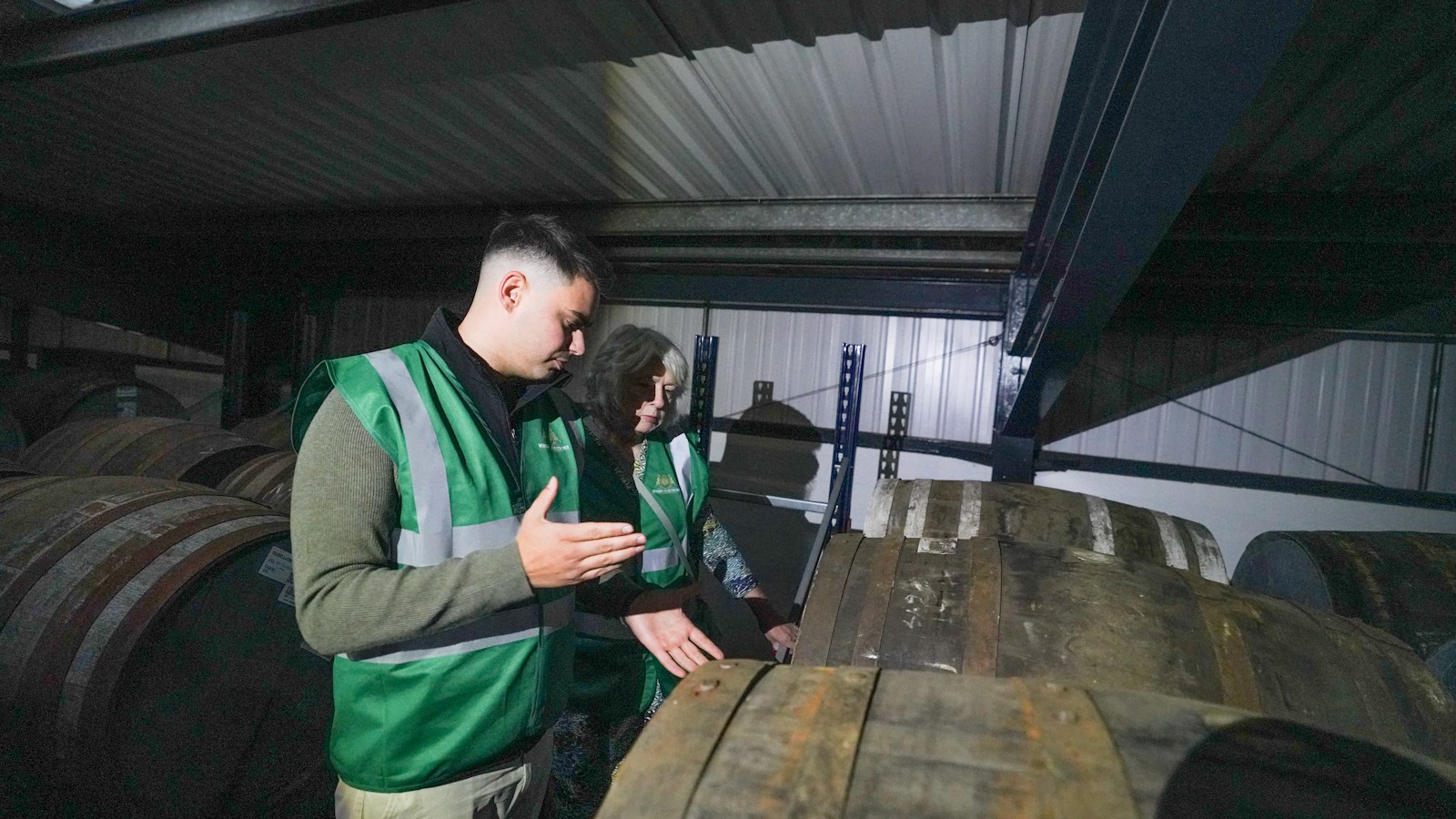
The Reality of Whisky Cask Investment
If you are looking for a get-rich-quick scheme, stop reading. Whisky cask investment is not a passive ticker symbol on a screen; it is a long-term, tangible commitment to a liquid asset that requires patience, due diligence, and a founder’s mindset. At its core, owning a cask is about controlling a piece of a brand’s future, not just betting on a price spike.
The most important thing to understand is that you are not buying a commodity; you are buying a maturing product that carries inherent risks, including storage costs, evaporation (the ‘angel’s share’), and market volatility. If you treat it like a business venture rather than a lottery ticket, you stand a much better chance of success.
Why Ownership Matters More Than Speculation
In my experience, the biggest mistake new investors make is focusing solely on the ‘exit’ before they understand the ‘entry.’ You need to know exactly what you own, where it is stored, and who holds the legal title. If you cannot verify the provenance of your cask, you don’t own an asset—you own a liability.
True ownership means having clear, legally binding documentation. It means knowing the distillery, the fill date, and the cask type. When you build a brand or a portfolio, you are building a story. That story is worthless if the paperwork doesn’t back it up.
The Pillars of Cask Due Diligence
- Legal Title: Ensure you have a direct contract that proves ownership, not just a certificate from a broker.
- Warehouse Transparency: Know exactly which bonded warehouse holds your liquid.
- Bottling Control: Understand your rights regarding when and how the whisky is eventually bottled.
- Exit Strategy: Have a plan for whether you will sell the cask, bottle it yourself, or hold it for further maturation.
Building a Brand Through Liquid Assets
Entrepreneurship is about leverage. When you invest in a cask, you are essentially leveraging the reputation of a distillery. You are betting that the brand you’ve chosen will continue to grow in prestige over the next decade. This is no different from investing in a startup.
You aren’t just buying alcohol; you are buying time. The maturation process is the value-add. As the liquid interacts with the wood, it transforms. Your job as an investor is to be the steward of that transformation. If you approach this with the same rigor you would apply to a business plan, you’ll find that the ‘investment’ becomes a fascinating study in brand equity.
Common Pitfalls for New Investors
The market is full of noise. Many companies promise guaranteed returns, which should be your first red flag. Scotch whisky is not a regularly traded commodity on an open market. It is a private, contract-based industry. If someone tells you it’s a ‘sure thing,’ walk away.
Focus on the quality of the liquid and the reputation of the distillery. A cask from a prestigious, well-known distillery will always have more liquidity than a cask from an unknown source. Don’t let the allure of a ‘cheap’ cask blind you to the reality of its future marketability.
Frequently Asked Questions
Is whisky cask investment a safe way to grow money?
Whisky cask investment is an alternative asset class, not a guaranteed savings account. It carries risks like market fluctuations, storage costs, and the fact that it is not a liquid, publicly traded commodity. Success requires deep research, patience, and a long-term perspective on the whisky market.
How do I verify that I actually own my whisky cask?
You must receive legally binding documentation that clearly states your ownership rights. This should include the cask’s unique data, the specific bonded warehouse location, and a clear chain of title. Always seek independent verification or legal advice if you are unsure about the paperwork provided by a broker.
What are the main costs associated with owning a cask?
Beyond the initial purchase price, you must account for ongoing storage fees in a bonded warehouse, insurance, and potential bottling or labeling costs if you choose to exit by selling bottles. These costs can accumulate over time, so factor them into your total investment strategy from day one.
Can I sell my whisky cask whenever I want?
Unlike stocks, you cannot sell a whisky cask instantly. It is a private asset that requires finding a buyer, often through a broker or within the industry. Your exit strategy should be planned well in advance, considering the time it takes to find a buyer or arrange for bottling.
Why does the value of a whisky cask change over time?
The value is driven by the maturation process, which improves the quality and rarity of the liquid, and by market supply and demand. As a cask ages, it becomes rarer, but its value is also heavily influenced by the reputation of the distillery and the current trends in the global whisky market.