
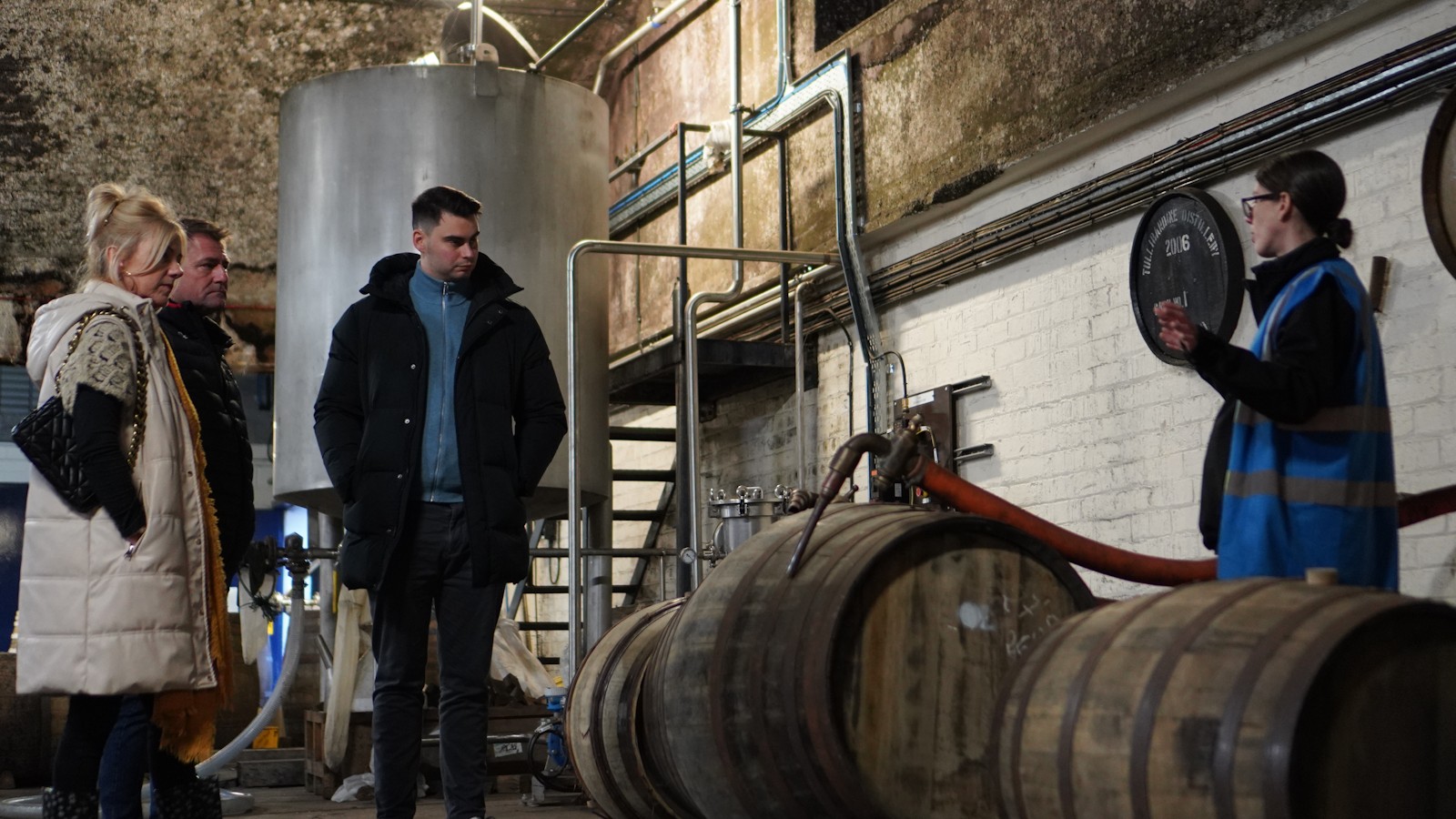
The reality of whisky cask provenance
When you purchase a cask of Scotch whisky, you are buying a physical, tangible asset. The most critical step isn’t just the purchase; it is the absolute certainty of who owns what.
I see many people get caught up in the allure of the liquid without confirming the trail of paper that proves it belongs to them.
Provenance is everything in this industry.
Without clear, verifiable records, you aren’t just taking a risk—you are effectively guessing that your asset exists in the way you were told.
Understanding the chain of custody
In my experience, transparency is the only way to build a brand that lasts.
When Whisky Solutions helps a client acquire a cask, we focus on the documentation that links the distillery, the warehouse, and the individual owner.
This isn’t just administrative work. It is the bedrock of ownership.
You need to see the Delivery Order or the Certificate of Cask Ownership that explicitly links your name to the unique cask identification number.
Why verification matters for the long term
The industry is maturing. With high-profile events like The Macallan’s upcoming auction in Speyside, there is more focus than ever on where whisky comes from and who has held it.
If you cannot trace your cask’s history, its long-term value is significantly diminished.
Think like an entrepreneur.
Would you buy a business without performing due diligence on its assets? Of course not.
Treat your cask with the same level of professional scrutiny.
Common questions about cask ownership
How can I verify the provenance and ownership of a cask?
Verification requires access to the official Warehouse Keeper’s records. You should always receive a Delivery Order or Certificate of Cask Ownership that clearly states your details. Ensure these documents are issued by a reputable warehouse and cross-reference them against the distillery’s production records if possible.
What are the risks associated with owning a physical whisky cask?
The primary risks include the natural evaporation of the liquid, known as the ‘angels’ share,’ and the illiquid nature of the asset. Cask whisky is not a regulated investment, and it is not covered by the Financial Services Compensation Scheme or the Financial Ombudsman Service. Values can fall as well as rise.
What happens to my cask if the distillery or warehouse changes ownership?
Your ownership rights are typically protected by law and the underlying contract between you and the warehouse. When a warehouse or distillery changes hands, the new owner usually inherits the obligations to the stock holders. Always ensure your ownership is recorded at the warehouse level, not just with the broker.
Is cask ownership a regulated activity in the UK?
No, cask whisky ownership is not currently a regulated activity in the UK. Because it is not a regulated investment, it lacks the protections associated with traditional financial products. This makes conducting your own thorough due diligence and taking independent advice before buying absolutely essential.
Taking the next step
If you are ready to explore how this works in practice, I am happy to talk it through.
We don’t do hype. We do proper, transparent ownership.
You can reach out to me directly here to ask questions or start your journey.
Cask whisky is not a regulated investment. It is not covered by the Financial Services Compensation Scheme or the Financial Ombudsman Service. Values can fall as well as rise and you may get back less than you paid. Take independent advice before buying.