
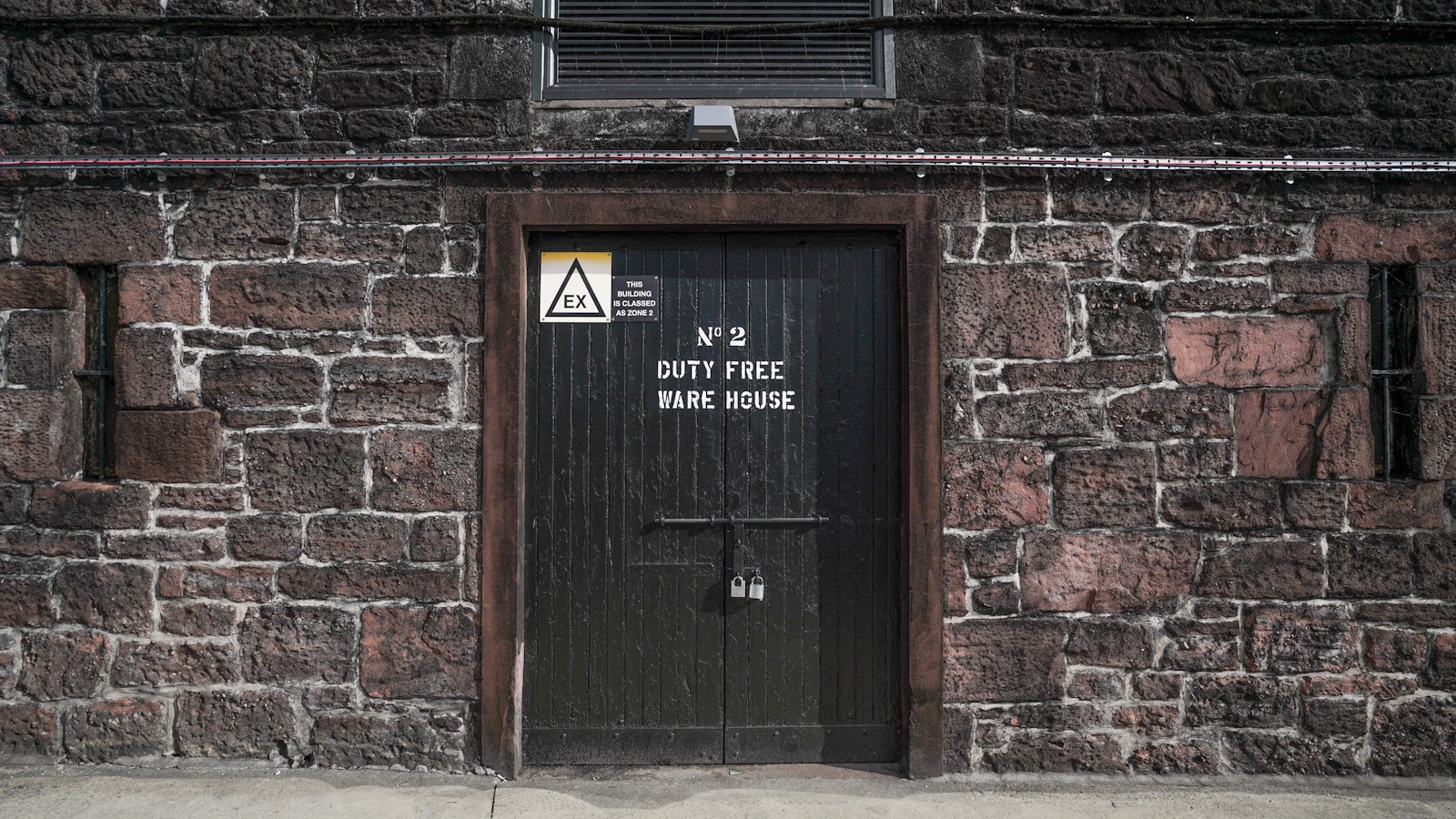
The Reality of Cask Ownership
I often speak with people who are excited about the idea of owning a cask of Scotch whisky. It is a tangible, physical asset that carries a history of its own. But the excitement of the purchase often overshadows the practical reality of how that ownership is actually recorded.
There is no central, public register for whisky casks. Because of this, the burden of proof falls on you, the buyer. If you cannot prove your ownership through the right paperwork, you do not truly own the asset in a way that protects you.
At Whisky Solutions, we believe in transparency. If you are looking at a cask, you should never settle for a vague promise. You need to see the paper trail before you part with any money.
The Three Documents You Must Hold
When you buy a cask, you are not just buying spirit; you are entering into a legal arrangement. To ensure your ownership is recognised, you must insist on receiving these three specific documents:
- The Purchase Agreement: This is your contract of sale. It must clearly describe the specific, numbered cask you are buying, including the distillery, the fill date, and the volume of the contents.
- The Invoice: This is your receipt. It confirms the transaction has taken place and provides a clear record of the payment made for that specific asset.
- Warehouse Confirmation: This is the most critical piece. You need written confirmation from the HMRC-approved warehouse where the cask is stored, stating that they hold the cask and recognise your ownership.
Historically, this was often done via a ‘delivery order’. However, since the Finance Act 2006, the specific form of this document can vary by warehouse. The name of the document matters less than the content: it must be an acknowledgement from the warehousekeeper that the cask is recorded in your name.
Why This Matters
The Scotch Whisky Association is clear: movement of spirit under bond is strictly controlled. If your ownership is not properly recorded with the warehousekeeper, there is a risk that the cask could be sold or moved without your knowledge. You are essentially relying on the warehousekeeper to act as the custodian of your asset.
Always verify that the warehouse is HMRC-approved. You can check this on the HMRC website. If a seller cannot provide these three documents, or if they try to tell you that a ‘certificate of ownership’ is sufficient, walk away. A certificate is often just a piece of paper from the seller; it is not a substitute for the warehousekeeper’s own records.
Frequently Asked Questions
How do I verify my cask is in an HMRC-approved warehouse?
You should ask the seller for the name and location of the warehouse. You can then cross-reference this facility against the official HMRC list of approved excise warehouses to ensure it is legitimate and verified.
Is a delivery order the only proof of ownership?
No. While a delivery order was the traditional method, the Finance Act 2006 changed the requirements. Today, the document varies by warehouse. What matters is that you receive written confirmation from the warehousekeeper that they recognise you as the owner of that specific, numbered cask.
What happens if my ownership is not recorded by the warehouse?
If the transfer of ownership is not properly recorded with the warehousekeeper, your legal title is at risk. Without that acknowledgement, the warehouse may not recognise you as the owner, which could lead to significant complications if you decide to move, sample, or bottle your whisky.
Why is cask ownership considered an illiquid commitment?
Cask whisky is a physical, long-term asset. There is no regulated, liquid market where you can instantly sell a cask. You are holding a maturing product that requires storage, insurance, and eventually, a decision on whether to bottle or sell. It is not a short-term financial product.
What costs should I expect after buying a cask?
Beyond the initial purchase price, you must factor in ongoing costs such as storage and insurance while the spirit matures in the warehouse. If you eventually decide to bottle the whisky, you will also face excise duty and VAT, which are payable when the bottles are dispatched.
Cask whisky is not a regulated investment. It is not covered by the Financial Services Compensation Scheme or the Financial Ombudsman Service. Values can fall as well as rise and you may get back less than you paid. Take independent advice before buying.